Kelly Monrow has never been an artist who keeps her distance from the difficult parts of being human. Her latest single, “Dear Dolly: A Child’s Memo,” released March 27, makes that clearer than anything she has put out before — and a recent Instagram post from the Austin-born singer-songwriter adds a layer to the song worth paying attention to.
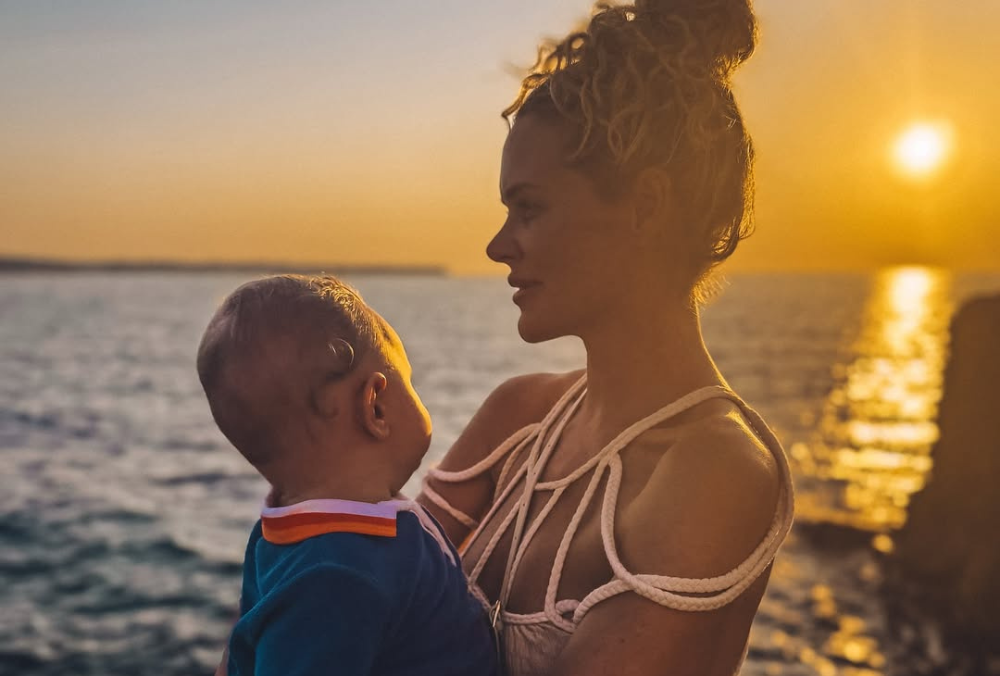
In the caption accompanying photos with her son, Monrow reflected on the full weight of raising a child: “Some days it empties me. Some days it heals me. Most days it does both at the same time.” The post, shared on her personal Instagram, carries a weight that goes beyond the moment. Because “Dear Dolly: A Child’s Memo” is a record written from the child’s seat — processing what it meant to grow up fast, carry adult weight early, and search for solid ground. Now, on the other side of that story, Monrow is the one holding her son at the window she once sat at alone, dreaming of exactly this. The woman who wrote about surviving childhood is now the one shaping one.
“Dear Dolly: A Child’s Memo” opens with a French-language spoken intro before Monrow shifts into rhythmic spoken word and rap, structuring the track as a literal letter — a child’s memo to the figures and forces that shaped her. The lyrics revisit early experiences of emotional pressure, inherited responsibility, and the particular kind of growing up that happens when childhood freedom isn’t on the table. From survival, the song pivots to awakening, tracing a path through doubt and spiritual searching before landing on lines like “I hold my own power, I create my destiny.”
Kelly Monrow, known for Americana-leaning indie pop and her debut album Scars of Venus (2022) — which earned over 2.5 million streams and a SXSW debut — has deliberately stepped into gospel-influenced hip-hop territory here. The structure echoes Christian rap’s tradition of testimony-as-track, where the narrative carries more weight than the production.
That same honesty runs through her Instagram post. “Being your mother is the greatest role I’ll ever have in this life. And it’s not just the beautiful parts people talk about. It’s all of it,” she wrote. Motherhood, for Monrow, isn’t just a role she inhabits. It heals her. And given what “Dear Dolly” excavates, that reads less like a caption and more like a conclusion.
For an artist who once channeled personal experience into polished Americana, “Dear Dolly” signals something more unguarded. The genre shift is bold. More importantly, it sounds earned.