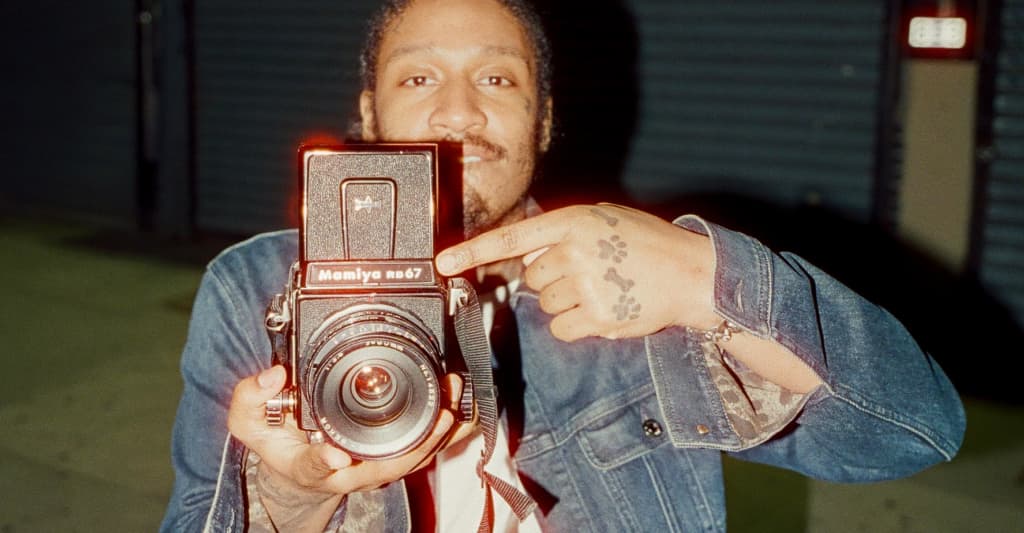
When Skrilla stopped by The FADER office last September, the Philadelphia rapper was hard at work on his major label debut Z. Riding high off the memetic success of “Doot Doot (6 7),” Skrilla had recently purchased a vintage car, which he’d shown me with the enthusiasm of a proud dog owner, and was gearing up for a trip to Brazil, where he discovered the favellas in Rio aren’t much different from Kensington.
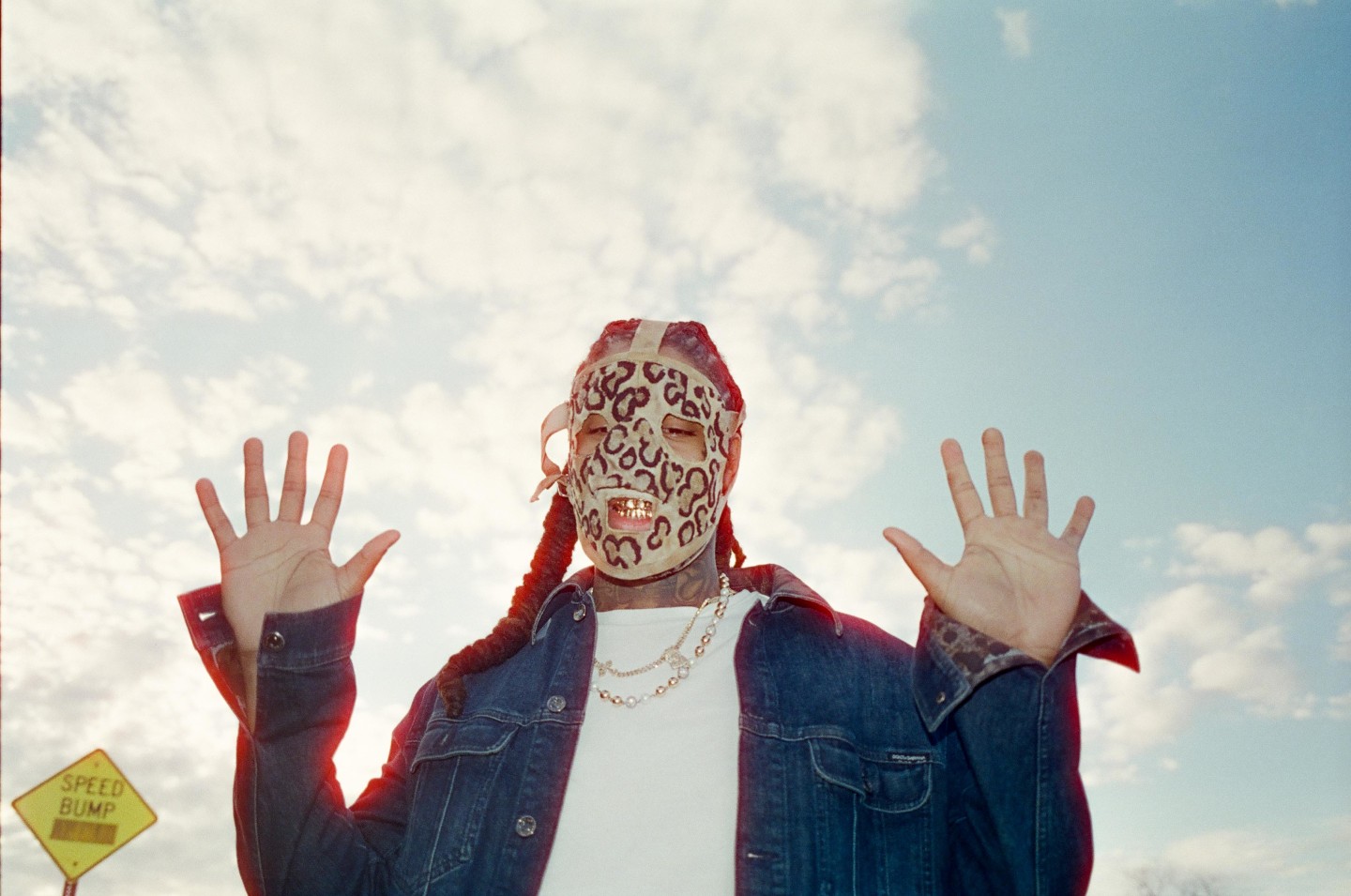
Perhaps that’s why, even after performing with Natasha Bedingfield and appearing at a 76ers game, Skrilla can’t turn his eye away from the streets of the neighborhood where he grew up, going so far as to feature a handful of local residents on his major label debut. “In Kensington, you never really know if you’re ever going to see somebody again,” Skrilla told The FADER last week. “So I felt like if I let that moment pass, I might miss out on something incredible.”
As you might expect after six sevennn took the world by storm, Z brings high-profile guests like YoungBoy Never Broke Again and Lil Yachty into Skrilla’s ominous orbit. But aside from those big-budget features, Z feels like a natural maturation of the off-kilter style of Philly drill Skrilla perfected on his last full-length, Zombie Love Kensington Paradise.
The Creative Vision Behind ‘Z’
Ahead, take an exclusive look behind the scenes of Skrilla’s new album Z, plus the stories behind his signature mask, the “Roger Dat” video, and recording with Kensington resident Black Jesus.
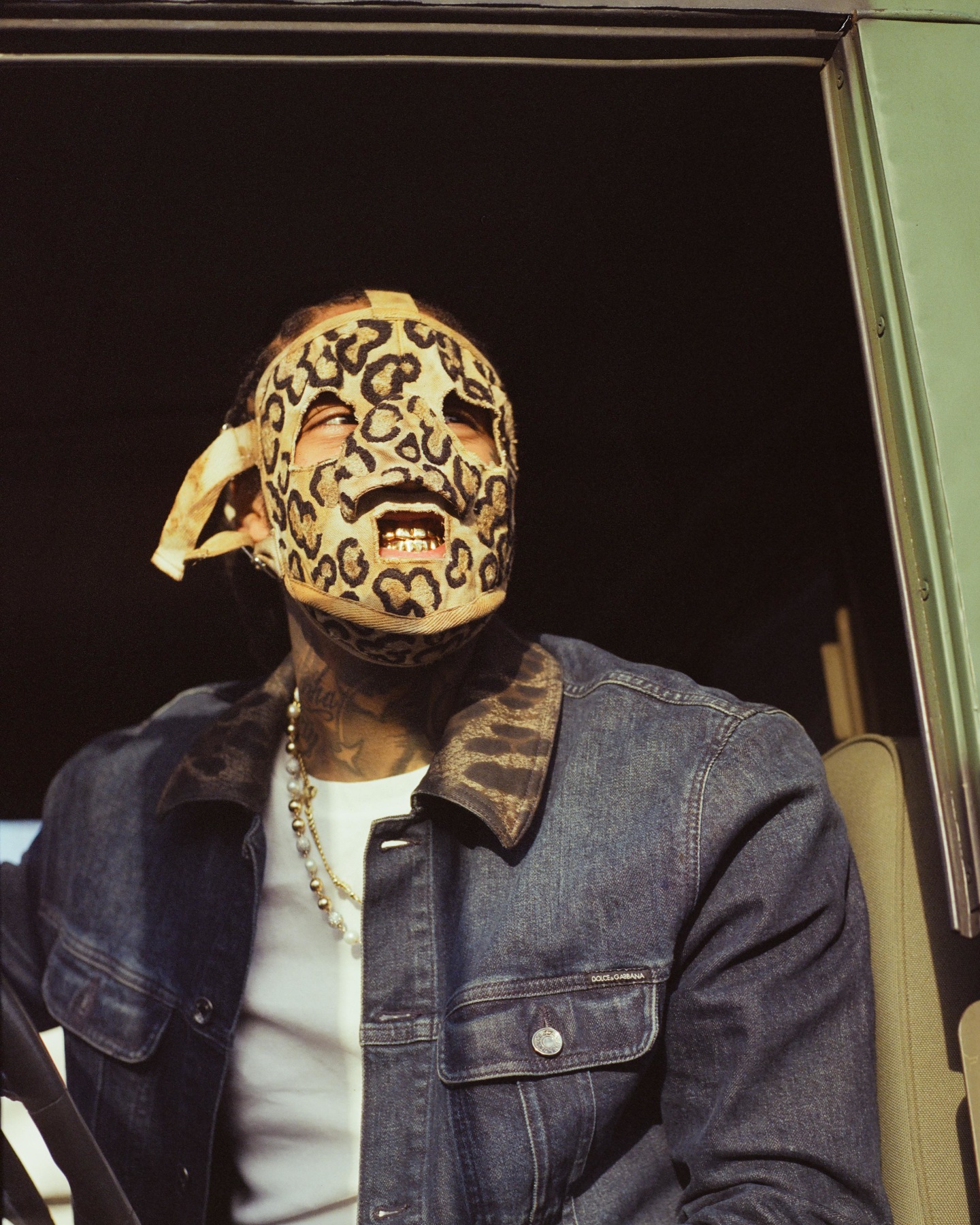
“I got my mask from a store called Pressed. They had three custom masks in there, and I walked in and seen that one,” Skrilla explains. He notes that while he has owned masks he preferred aesthetically, the one he wore for the “Die 4 Me” video became synonymous with his brand. “After that, it kind of turned into Skrilla. It made a statement.”
The album’s aesthetic is heavily influenced by his recent acquisition of a 1986 M923 2 ½-ton Army truck. “I went with the army concept because I had just bought an M923 2 ½-ton Army truck from 1986, and I wanted to bring that vehicle to life. The shoot was a late night, just like any regular night. We were chilling, hanging out with my friends; linked up and rolled around in the army truck.”
Connecting with the Community
A poignant part of the album’s creation involved collaborating with local Kensington resident Black Jesus. Skrilla recounts the chance encounter: “I was in my neighborhood, getting ready to go to the studio, and it just popped in my head that I wanted somebody from the neighborhood on the album. So I started walking around, talking to everybody, just seeing who had something to say. Then he walked up to me, and as soon as I heard his voice, I was like, ‘What’s your name?’ He said, ‘Black Jesus.’”
For Skrilla, the collaboration was about capturing a fleeting moment of humanity. “Every answer he gave me, I could tell he had a story. I could tell he had been through a lot. His voice was exactly what I was looking for. In Kensington, you never really know if you’re ever going to see somebody again. So I felt like if I let that moment pass, I might miss out on something incredible for the project.”