Tuesday’s primary election in New York City marked a significant political shift, with a wave of progressive and Democratic Socialists of America (DSA)-backed candidates securing key nominations. As the city’s political landscape evolves, the intersection of grassroots activism and the local arts community has become increasingly prominent. For many of these incoming officials, the city’s vibrant music venues are not just cultural landmarks but essential social hubs that require deliberate policy support to thrive.
Prioritizing Artist Housing and Venue Protection
The recent election cycle saw candidates like Claire Valdez and Brad Lander gain momentum, often celebrating their campaigns in iconic Brooklyn nightlife spots. This connection to the city’s nightlife underscores a growing recognition that the creative class is a vital political constituency. In conversations with The FADER, several newly elected and incumbent officials shared their visions for how local government can foster a more sustainable environment for musicians and venues.
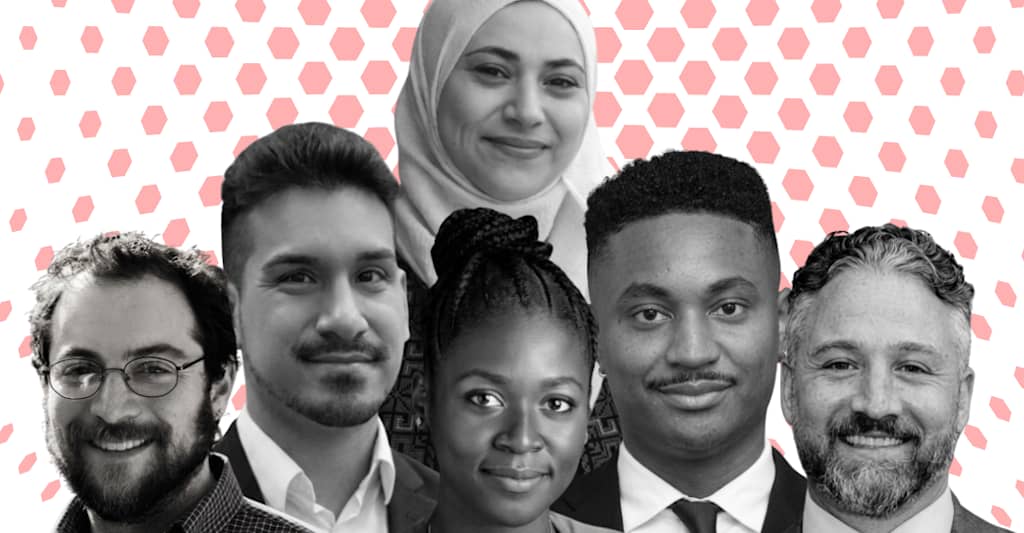
Council Member Chi Osse, a vocal advocate for progressive policy, emphasized the urgent need for dedicated infrastructure. “NYC’s music community needs artist housing: deeply affordable housing set aside for NYC creatives,” Osse stated. His focus on housing security aligns with broader efforts to combat the affordability crisis that threatens to displace the very artists who define the city’s cultural identity.
Legislative Solutions for a Creative Future
Other candidates are looking toward systemic economic reforms. Aber Kawas, the Democratic nominee for State Senate District 12, proposed a straightforward approach: “Tax the rich and fund the arts in public schools.” Meanwhile, Eli Northup, the nominee for Assembly District 69, highlighted the necessity of protecting small venues that serve as incubators for emerging talent. Northup, a former musician himself, also advocated for the passage of the New York Health Act to provide universal healthcare, a critical safety net for gig-based artists.
Assembly Member Phara Souffrant Forrest pointed to the Fair Share Act (A8953) as a mechanism to generate revenue for essential services, including affordable housing and transit, which are foundational to maintaining a creative life in the city. Addressing the technological challenges facing modern creators, Brian Romero, the nominee for Assembly District 34, stressed the importance of regulating AI to protect the industry from copyright infringement.
David Orkin, the nominee for Assembly District 38, echoed these sentiments, noting that arts workers are essential laborers who deserve stronger protections. “Commercial rent stabilization is vital,” Orkin noted. “We have to make sure our venues can stay here, so music lovers and musicians can afford to make our corner of Queens their artistic home.” As these leaders prepare to take office, their focus on the intersection of labor rights, housing, and cultural preservation signals a new chapter for New York City’s music scene.