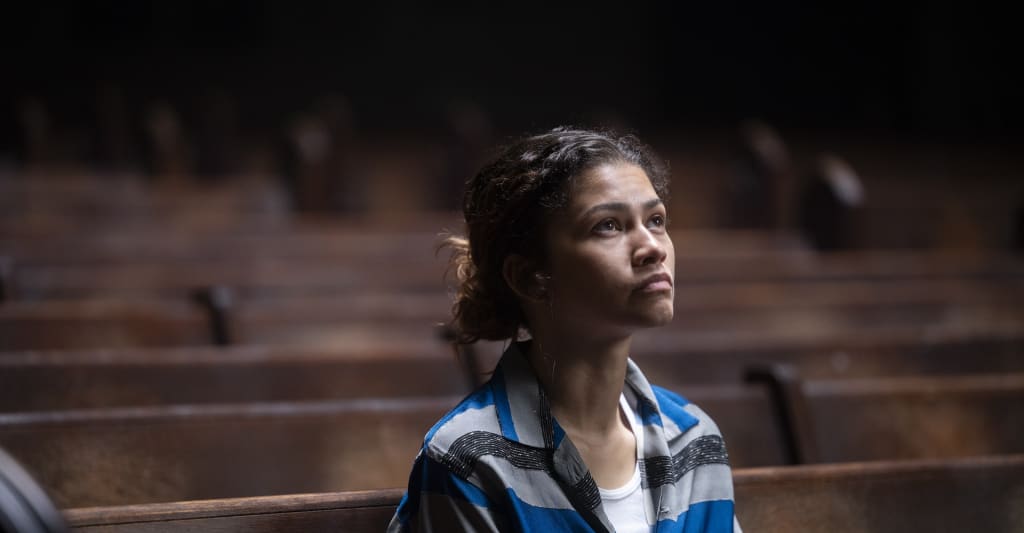
Much has changed in the landscape of Euphoria as it enters its third season. Following the premiere on April 12—which coincided with a high-profile presence at Coachella 2026—it is clear that the series has shed its high school skin. The stylized soap opera has transformed into a jarring collage of genres: drug-smuggling Westerns, crime capers, and Hollywood satires. However, this evolution feels less like growth and more like a descent into a nightmarish, often gratuitous, spectacle. While critics have already noted Sam Levinson’s increasingly disturbing depictions of female sexuality and stilted dialogue, a primary point of creative failure lies in the score. This season, the evocative sounds of Labrinth have been replaced by the symphonic weight of Hans Zimmer, and the loss is palpable.
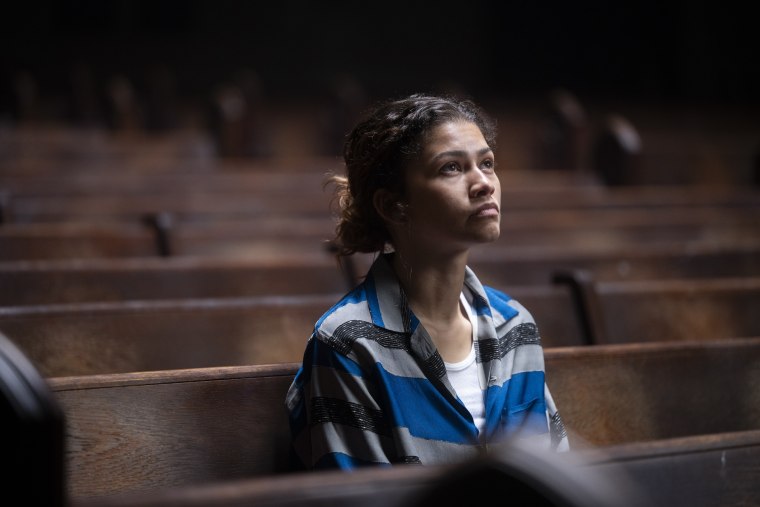
Photograph by Patrick Wymore/HBO
The Evolution of Euphoria’s Visual and Sonic Identity
Labrinth, the artist and composer who defined the show’s first two seasons, provided a poppy, moody, and deeply evocative sensibility. His work acted as an emotional anchor for a show that often teetered on the edge of excess. Whether through gel-lit cinematography or intense performances, Labrinth’s soundtrack offered a grounding force that resonated with a generation raised on eclectic digital playlists. His music utilized elements of electronic music, hip hop, and alternative pop to create a sonic world that felt both current and emotionally authentic.
The first two seasons were very much products of their time, reflecting a cultural moment influenced by the cinematic, emo-edit aesthetic of the late 2010s. This look—which photographer Petra Collins famously claimed was stolen from her—highlighted a focus on mental illness and trauma. Labrinth’s departure marks the end of this cohesion. Without his influence, the show no longer feels like a generational attempt to unpack the complexities of addiction and friendship; instead, it has become a series of bewildering plot turns and genre tropes.
Hans Zimmer and the Pitfalls of Genre Pastiche
With Labrinth out of the picture, Sam Levinson has turned to legendary film composer Hans Zimmer. Levinson has spoken enthusiastically about the collaboration, citing the 1968 Sergio Leone Western Once Upon a Time in the West as a primary inspiration for the new season’s score. However, this utilization of genre-pastiche feels symptomatic of the rot at the core of Euphoria’s third season. Zimmer’s music, while technically powerful, sounds referential and hollow in this context.
Levinson appears to be attempting a Tarantino-esque deployment of tropes, trying to forge new meaning out of well-trodden terrain. Yet, the nod to Spaghetti Westerns lacks depth, feeling more like a Pinterest moodboard than a cohesive artistic statement. Where Labrinth’s music felt fresh and vital, Zimmer’s Americana pastiche leaves the viewer with little that feels musically current. The result is a show that no longer knows what it wants to be, trading its unique identity for a hodgepodge of cinematic references.
Behind the Scenes: Labrinth’s Exit and New Music
The turmoil behind the scenes that led to Labrinth’s departure has been well-documented. The artist took to Instagram to express his frustration, stating, “I’m done with this industry. Fuck Columbia. Double fuck Euphoria. I’m out.” He later clarified that he chose to remove his music from the third season because he refused to be treated poorly, despite his commitment to a director’s vision. This professional fracture has left a void that Zimmer’s symphonic approach simply cannot fill.
Interestingly, Labrinth has not remained silent. On the night of the Euphoria season 3 premiere, he released a new track titled “SHUT YOUR DAMN 95.7892.” With its electronic pulse and distorted, effect-laden vocals, the song captures the spirit of the original show far better than the current season does. “Talk shit, gain clout, I don’t know what that’s about / Busy tryna kill my shit while ignorin’ your own house,” he raps, delivering a performance that is over-the-top yet undeniably true to the aesthetic he helped build.
Ultimately, Euphoria has lost its way. Without Labrinth’s sonic guidance, the series has devolved into a disturbing hodgepodge of spectacle that lacks the emotional resonance of its predecessors. What was once a defining cultural touchstone now feels like a hollow echo of its former self.