Prostitute’s ‘Attempted Martyr’: Navigating Political Noise and Identity in Music
The FADER’s longstanding GEN F series profiles the emerging artists you need to know right now.
Prostitute’s inaugural house show in 2021 was a testament to their confrontational ethos. The band opened with “All Hail,” the ferocious introduction to their 2024 debut album, Attempted Martyr. As the track’s cacophony of horn samples, guitar feedback, and vocalist Moe Kazra’s visceral pronouncements about the perpetrators of 9/11 filled the space, a segment of the audience promptly departed. “They got the fuck out of that house,” Kazra recalls with evident satisfaction.
True to their name, Prostitute embraces sonic disorder, provocation, and a deliberate subversion of the earnestness often found in contemporary guitar music. Their debut, Attempted Martyr, functions as a loosely conceptualized narrative exploring a fanatical figure consumed by humanity’s basest impulses in a misguided quest for divine validation. Kazra, who identifies as Arab-American, draws deeply from personal experiences to craft lyrics that address the profound realities impacting the Arab world, yet deliberately eschews the didactic moralizing typical of overt “protest music.”
Deconstructing Identity Through Sonic Aggression
“Let’s take this character and blow it up into this grotesque caricature of Arab-ness,” drummer Andrew Kaster explains regarding the band’s approach to narrative. “The kind of caricature that those who hate Arabs see them as. Let’s co-opt that and amplify it and throw it back in people’s faces.” This deliberate amplification serves as a critical lens, forcing listeners to confront uncomfortable stereotypes and the underlying prejudices that fuel them.
Initially, Prostitute’s aim was to provoke, to drive listeners away, whether physically or intellectually, with the hope of initiating a new mode of contemplation. However, as their work has resonated with a growing audience of noise enthusiasts who perceive their lyrics as a potent commentary on contemporary conflicts in the Middle East, the band finds itself at a critical juncture. The question arises: should they continue to provide the catharsis their fans seek, or pivot in an unexpected direction?
“I don’t like political art that is didactic and trying to proselytize its beliefs to you,” Kaster states. “I think it’s much more interesting if you plug your head into a real character; someone who is who they are, virtues and flaws combined.” This philosophy underscores their commitment to portraying complex, flawed individuals rather than delivering overt political manifestos.
The Genesis of ‘Attempted Martyr’
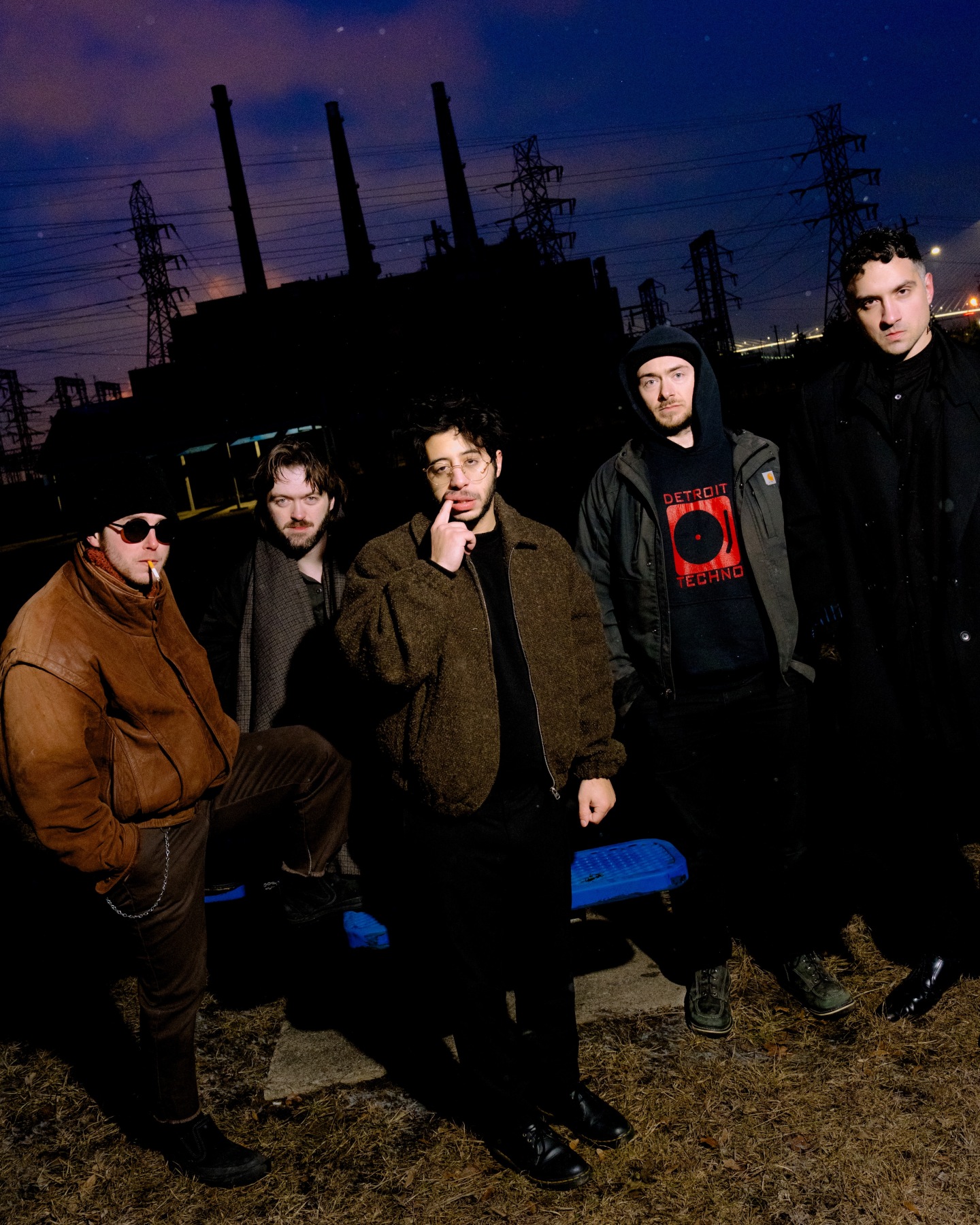
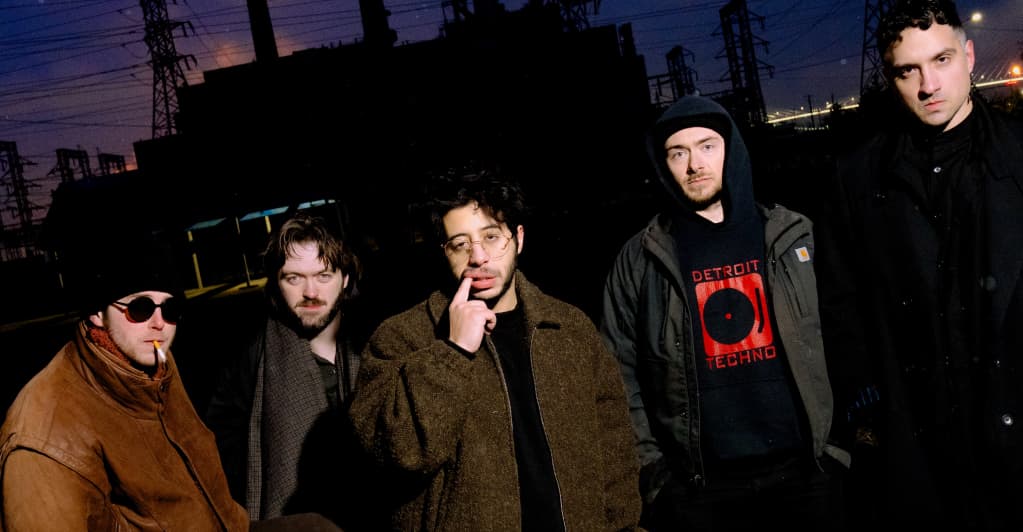
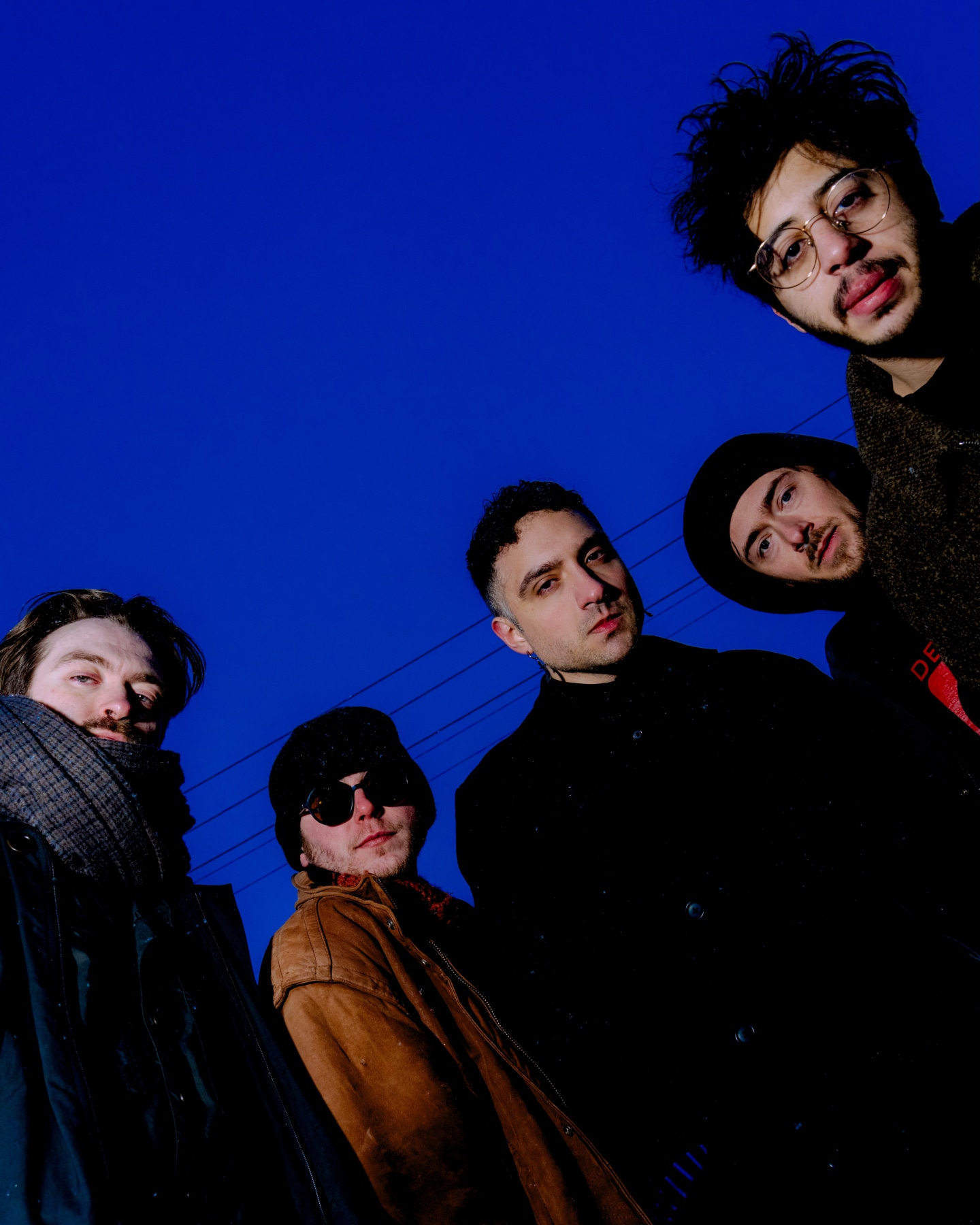
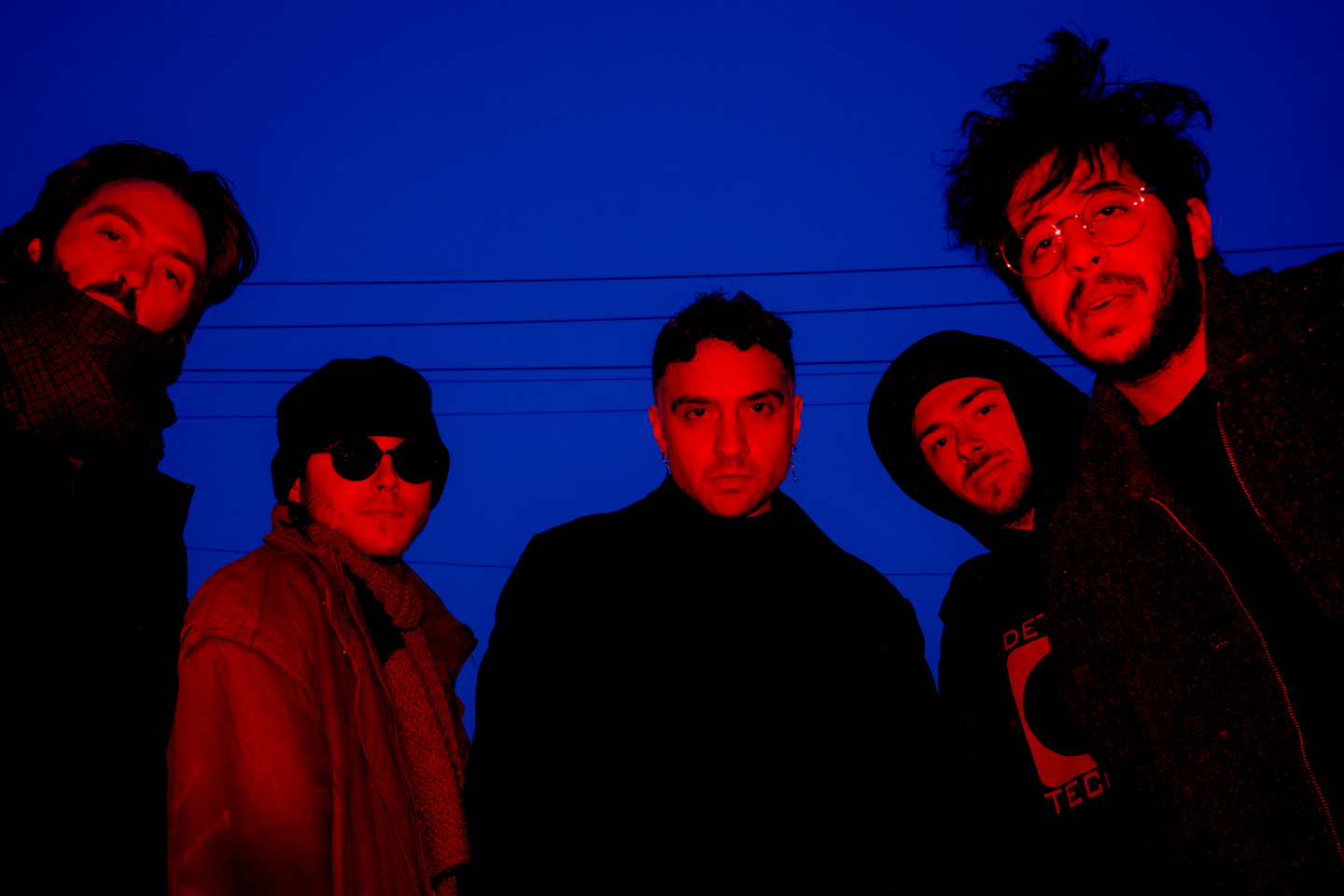
Prostitute coalesced in 2020 in Dearborn, Michigan. The band’s formation was spearheaded by Kazra, a former jazz student who had been experimenting with horror-themed ambient music, and Kaster, an old friend who had previously shelved his drumming aspirations. Their initial ambition was to create a singular, impactful album before life’s other demands took precedence. The addition of bassist Dylan Zaranski, guitarist Ross Babinski, and guitarist Bret Wall solidified the quintet, channeling all their energy into realizing this ambitious vision.
The result, Attempted Martyr, is a sonic and lyrical tour de force, albeit one that was “complete hell” to produce. Internal conflicts were frequent, with both Kazra and Kaster admitting to quitting the band multiple times before recommitting to see the project through. “It was the worst thing we’ve all ever went through,” Kazra reflects.
Despite the arduous creation process, Attempted Martyr garnered significant attention upon its release in October 2024, a year after the October 7 attacks. The album’s Arab-American perspective positioned Prostitute as timely cultural commentators, even though the lyrical themes addressed long-standing political and social issues within the Arab world.
“For understandable reasons, I feel like everything we were doing and talking about just got associated exclusively with what’s going on in Israel and Palestine,” Kaster observes. “It’s a mind-meltingly horrifying thing to witness. At the same time, we didn’t come out trying to represent that or be a voice for that. And so it’s kind of a mind fuck.” This unintended association highlights the complex intersection of personal identity, artistic expression, and global events.

“This isn’t the kind of music that’s about sitting in the corner and crying about your feelings. People are getting ripped out of their homes right now and executed in the middle of the fucking street. These are the things occupying all of our minds.” — Andrew Kaster
Navigating the Stakes of Political Expression
Prostitute maintains they never intended to create anthems in the vein of Rage Against the Machine, nor do they aspire to. They are currently grappling with the divergence between their artistic intentions and the expectations of an audience that now looks to them for specific political statements. This internal negotiation is shaping their future creative direction.
“When I see the things that get attached to us,” Kaster reflects, “my inclination is to move sideways a bit. But at the same time, this isn’t the kind of music that’s about sitting in the corner and crying about your feelings. People are getting ripped out of their homes right now and executed in the middle of the fucking street. These are the things occupying all of our minds, so that’s still going to be in the music.” This sentiment underscores the unavoidable influence of current events on their artistic output.
The band members acknowledge the potential repercussions of their outspokenness. Having witnessed individuals in the United States face repercussions for expressing critical opinions on Israel, Prostitute recognizes the tangible risks associated with releasing music that challenges Western hegemony in the Middle East. “When we started the band we kind of joked, oh, we’re gonna get banned, we’re going to be on a no-fly list,” Kaster admits. “Now it actually seems like it could happen. It is a practical concern for us.”

Despite the gravity of these concerns, the band members maintain a sense of humor and distinct personalities, as evidenced during a recent Zoom call. They playfully tease each other, with bassist Dylan Zaranski being the quiet observer, guitarist Ross Babinski the effervescent conversationalist, Kazra the enigmatic trickster, and Kaster the articulate theorist. (Guitarist Bret Wall had to leave for work.) All members hold day jobs, and their aspirations for a full-time music career were never rooted in idealism. “My mom hates this,” Kazra laughs. “She told me to get a new job.”
Looking ahead, Prostitute aims to capitalize on their current momentum. Their forthcoming album is slated to feature a more live-oriented sound, integrating samples with a greater emphasis on real instruments. Babinski has been experimenting with instruments like a banjo-strung guitar and an electric baglama, seeking to infuse a more traditional Middle Eastern sonic palette into their work. The overarching goal is to create music that is bold, forward-thinking, and provocative, with lyrics that will continue to push boundaries.
“We want to take Attempted Martyr and say the things that we didn’t necessarily get the chance to say,” Kazra states regarding their next project. “Whether they’re more offensive, whether we’re going to be placed on a no-fly list, no matter what — the music needs to go there.” This commitment signals their unwavering dedication to artistic authenticity, regardless of potential consequences.