Fast fashion is going the high-fashion route—and it’s paying off.
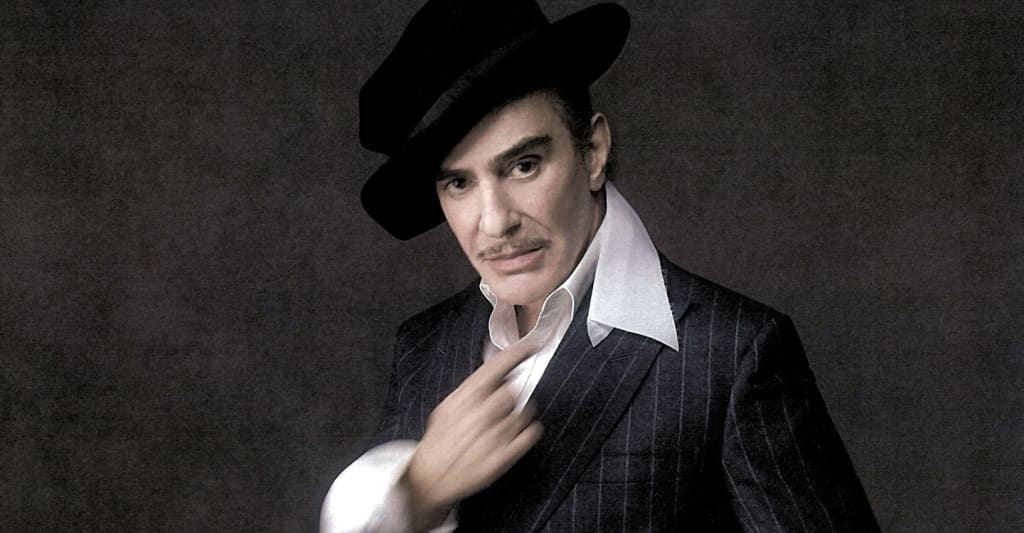
Last week, Zara, the Spanish fast-fashion brand, dropped a bombshell: they had inked a “two-year creative partnership” with the famed designer and couturier John Galliano. Galliano would now be in charge of re-envisioning the brand’s archives, “deconstructing and reconfiguring” pieces through “a series of seasonal collections” twice a year, starting in September.
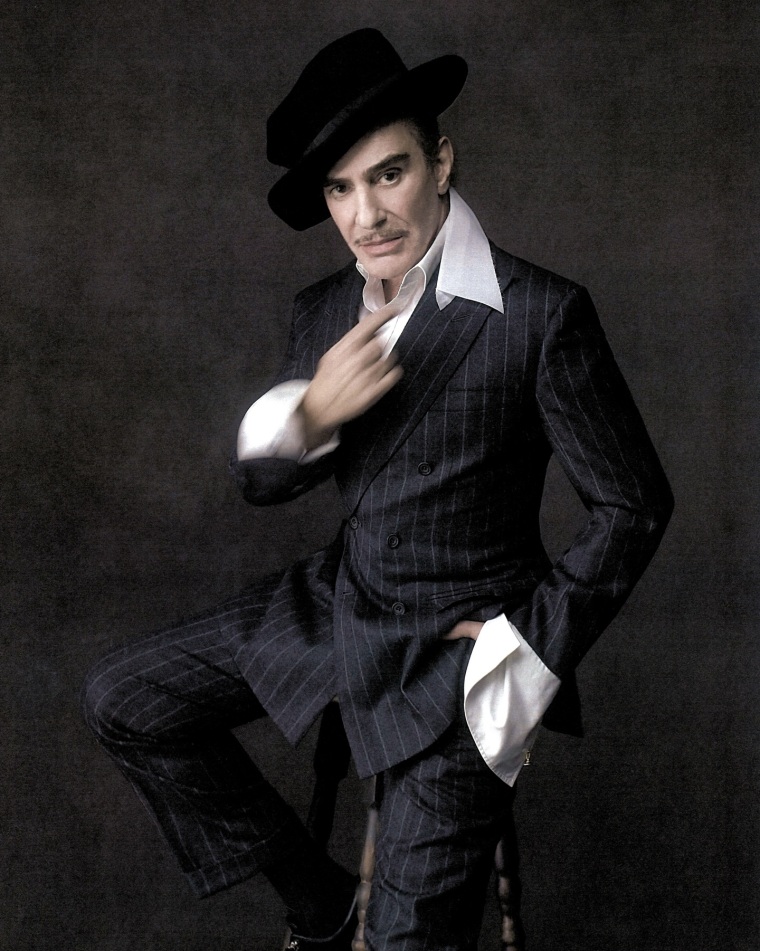
Galliano’s new “temporary residence” at the brand marks his first foray back on the fashion map after departing as the Creative Director at Maison Margiela in 2024. Zara has attracted one-off collaborations with fashion’s top talents for years, but its deal with Galliano is a first, following a trend of high-fashion designers moving to major retailers like Uniqlo, Gap, and & Other Stories.
Part of this shift is driven by a desire for brand rehabilitation and differentiation from ultra-fast fashion competitors like Shein and Temu. By aligning with high-profile names, these retailers are attempting to elevate their public image. While some critics view this as a dilution of luxury, the industry is increasingly prioritizing mass-market appeal in a challenging economic climate.
Galliano himself has expressed excitement about the process, describing it as a “positive thing” and a new creative challenge. However, the blurring lines between luxury and fast fashion suggest a new precedent where major brands will continue to seek high-fashion partnerships regardless of the risks.