The Providers and Friends have released their second single, “I Saw You On The Radio“—a powerful country ballad that took years to fully realize and multiple recording sessions to perfect.
Written during a difficult period in Les “Doc” Cunningham‘s life, the song emerged from reflections on past relationships that carried both tremendous joy and pain. The writing process proved slow and methodical, with extensive backtracking and lyric revisions—a stark contrast to “Perfect Day,” which came together quickly with an assist from Cunningham’s son Colin, the current drummer for Linkin Park, who contributed a second verse.
Cunningham and collaborator Audie Smith have played together for over three decades across multiple genres, from cover bands to original projects. That history informs their working dynamic—creative disagreements get filtered through friendship first, ego second. Neither takes suggestions too personally, and compromise remains accessible when conviction runs high on both sides.
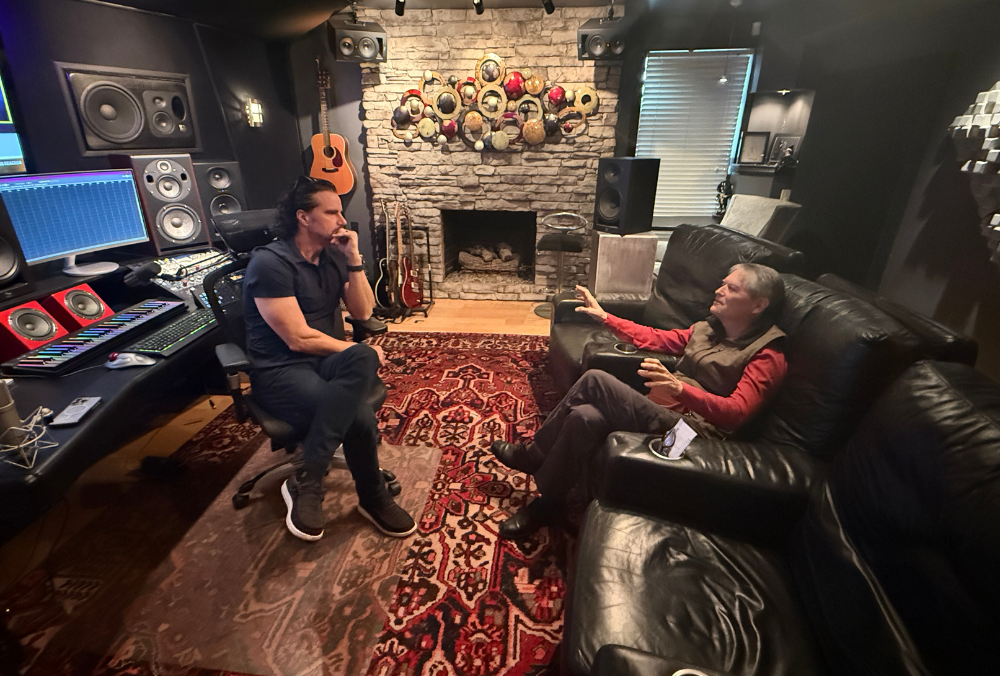
The breakthrough on this track came through vocalist Dave Kennedy, who finally delivered the Travis Tritt-style vocal feel Cunningham had envisioned from the start. Previous attempts—including Cunningham’s own—never captured the right emotional weight. Producer Travis Wyrick coached the vocal sessions alongside the band, while Kevin McCombs handled the mix in Los Angeles, locking in the big power ballad sound the song demanded.
Backing vocals feature Logan Brill, a Nashville singer-songwriter with a decade of experience in the city’s music scene, alongside Cunningham himself. The family connection runs deep—Brill is Cunningham’s stepdaughter.
Looking ahead, The Providers and Friends plan to re-enter the studio next month to record a stripped-down acoustic version of “I Saw You On The Radio.” Two cover recordings are also in the pipeline—a Linda Ronstadt tune and an Emmylou Harris/Rodney Crowell track—both featuring Brill on lead vocals alongside contributions from family and longtime musical collaborators.
The organic approach remains central. No forced timelines, no manufactured sound—just musicians with shared history making music that reflects lived experience.