The Impact of the Plea
The decision to plead guilty to the lesser charge reflects a strategic legal maneuver to avoid the possibility of life imprisonment. As the hip-hop world processes this news, the focus remains on the severity of the victim’s testimony and the broader implications of the case. The resolution of this matter in a Baton Rouge courthouse brings a long-awaited, albeit somber, conclusion to a case that has been closely monitored by both music industry observers and the legal system.
This latest legal battle is not the first time the “Shake It Fast” rapper has faced serious allegations of sexual misconduct. His legal history includes a notable 2004 incident involving his former hairstylist. Following that conviction, Tyler served a six-year prison sentence and was required to register as a sex offender upon his release. The cyclical nature of these legal challenges has profoundly impacted his career trajectory and public standing within the hip-hop community.
The Impact of the Plea
The decision to plead guilty to the lesser charge reflects a strategic legal maneuver to avoid the possibility of life imprisonment. As the hip-hop world processes this news, the focus remains on the severity of the victim’s testimony and the broader implications of the case. The resolution of this matter in a Baton Rouge courthouse brings a long-awaited, albeit somber, conclusion to a case that has been closely monitored by both music industry observers and the legal system.
A History of Legal Troubles
This latest legal battle is not the first time the “Shake It Fast” rapper has faced serious allegations of sexual misconduct. His legal history includes a notable 2004 incident involving his former hairstylist. Following that conviction, Tyler served a six-year prison sentence and was required to register as a sex offender upon his release. The cyclical nature of these legal challenges has profoundly impacted his career trajectory and public standing within the hip-hop community.
The Impact of the Plea
The decision to plead guilty to the lesser charge reflects a strategic legal maneuver to avoid the possibility of life imprisonment. As the hip-hop world processes this news, the focus remains on the severity of the victim’s testimony and the broader implications of the case. The resolution of this matter in a Baton Rouge courthouse brings a long-awaited, albeit somber, conclusion to a case that has been closely monitored by both music industry observers and the legal system.
Initially, Tyler faced a daunting list of severe charges, including first-degree rape, simple criminal damage to property, domestic violence battery by strangling, simple robbery, and false imprisonment. Had the case proceeded to trial and resulted in a conviction on the original first-degree rape charge, the artist would have faced a mandatory life sentence. By entering a plea to the reduced charge of third-degree rape, Tyler has secured a sentencing cap of 20 years, with a formal sentencing hearing scheduled for June.
A History of Legal Troubles
This latest legal battle is not the first time the “Shake It Fast” rapper has faced serious allegations of sexual misconduct. His legal history includes a notable 2004 incident involving his former hairstylist. Following that conviction, Tyler served a six-year prison sentence and was required to register as a sex offender upon his release. The cyclical nature of these legal challenges has profoundly impacted his career trajectory and public standing within the hip-hop community.
The Impact of the Plea
The decision to plead guilty to the lesser charge reflects a strategic legal maneuver to avoid the possibility of life imprisonment. As the hip-hop world processes this news, the focus remains on the severity of the victim’s testimony and the broader implications of the case. The resolution of this matter in a Baton Rouge courthouse brings a long-awaited, albeit somber, conclusion to a case that has been closely monitored by both music industry observers and the legal system.
The incident in question occurred at Tyler’s residence in Ascension Parish. According to law enforcement reports and court documents, the victim alleged that the rapper held her against her will, preventing her from leaving by seizing her mobile phone and keys. The harrowing account detailed a sequence of events where the victim was subjected to sexual assault while the artist searched for missing funds. The victim further reported that she was only permitted to leave the premises after being coerced into transferring money to the rapper via the CashApp platform.
Initially, Tyler faced a daunting list of severe charges, including first-degree rape, simple criminal damage to property, domestic violence battery by strangling, simple robbery, and false imprisonment. Had the case proceeded to trial and resulted in a conviction on the original first-degree rape charge, the artist would have faced a mandatory life sentence. By entering a plea to the reduced charge of third-degree rape, Tyler has secured a sentencing cap of 20 years, with a formal sentencing hearing scheduled for June.
A History of Legal Troubles
This latest legal battle is not the first time the “Shake It Fast” rapper has faced serious allegations of sexual misconduct. His legal history includes a notable 2004 incident involving his former hairstylist. Following that conviction, Tyler served a six-year prison sentence and was required to register as a sex offender upon his release. The cyclical nature of these legal challenges has profoundly impacted his career trajectory and public standing within the hip-hop community.
The Impact of the Plea
The decision to plead guilty to the lesser charge reflects a strategic legal maneuver to avoid the possibility of life imprisonment. As the hip-hop world processes this news, the focus remains on the severity of the victim’s testimony and the broader implications of the case. The resolution of this matter in a Baton Rouge courthouse brings a long-awaited, albeit somber, conclusion to a case that has been closely monitored by both music industry observers and the legal system.
The 2022 Charges and Legal Developments
The incident in question occurred at Tyler’s residence in Ascension Parish. According to law enforcement reports and court documents, the victim alleged that the rapper held her against her will, preventing her from leaving by seizing her mobile phone and keys. The harrowing account detailed a sequence of events where the victim was subjected to sexual assault while the artist searched for missing funds. The victim further reported that she was only permitted to leave the premises after being coerced into transferring money to the rapper via the CashApp platform.
Initially, Tyler faced a daunting list of severe charges, including first-degree rape, simple criminal damage to property, domestic violence battery by strangling, simple robbery, and false imprisonment. Had the case proceeded to trial and resulted in a conviction on the original first-degree rape charge, the artist would have faced a mandatory life sentence. By entering a plea to the reduced charge of third-degree rape, Tyler has secured a sentencing cap of 20 years, with a formal sentencing hearing scheduled for June.
A History of Legal Troubles
This latest legal battle is not the first time the “Shake It Fast” rapper has faced serious allegations of sexual misconduct. His legal history includes a notable 2004 incident involving his former hairstylist. Following that conviction, Tyler served a six-year prison sentence and was required to register as a sex offender upon his release. The cyclical nature of these legal challenges has profoundly impacted his career trajectory and public standing within the hip-hop community.
The Impact of the Plea
The decision to plead guilty to the lesser charge reflects a strategic legal maneuver to avoid the possibility of life imprisonment. As the hip-hop world processes this news, the focus remains on the severity of the victim’s testimony and the broader implications of the case. The resolution of this matter in a Baton Rouge courthouse brings a long-awaited, albeit somber, conclusion to a case that has been closely monitored by both music industry observers and the legal system.
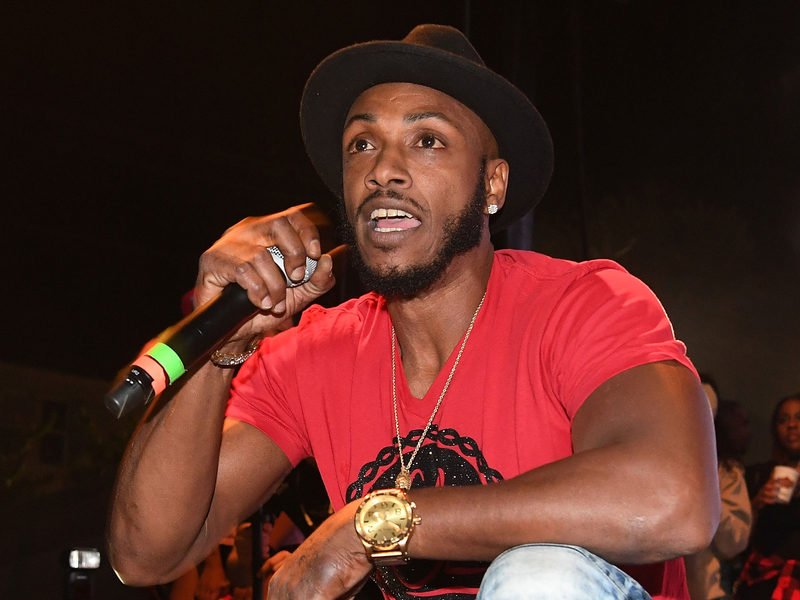
Louisiana-born rapper Mystikal, legal name Michael Tyler, has formally entered a guilty plea to a charge of third-degree rape. This development marks a significant turn in the legal proceedings stemming from his arrest in September 2022, effectively concluding a high-stakes criminal case that has loomed over the artist for nearly four years.
The 2022 Charges and Legal Developments
The incident in question occurred at Tyler’s residence in Ascension Parish. According to law enforcement reports and court documents, the victim alleged that the rapper held her against her will, preventing her from leaving by seizing her mobile phone and keys. The harrowing account detailed a sequence of events where the victim was subjected to sexual assault while the artist searched for missing funds. The victim further reported that she was only permitted to leave the premises after being coerced into transferring money to the rapper via the CashApp platform.
Initially, Tyler faced a daunting list of severe charges, including first-degree rape, simple criminal damage to property, domestic violence battery by strangling, simple robbery, and false imprisonment. Had the case proceeded to trial and resulted in a conviction on the original first-degree rape charge, the artist would have faced a mandatory life sentence. By entering a plea to the reduced charge of third-degree rape, Tyler has secured a sentencing cap of 20 years, with a formal sentencing hearing scheduled for June.
A History of Legal Troubles
This latest legal battle is not the first time the “Shake It Fast” rapper has faced serious allegations of sexual misconduct. His legal history includes a notable 2004 incident involving his former hairstylist. Following that conviction, Tyler served a six-year prison sentence and was required to register as a sex offender upon his release. The cyclical nature of these legal challenges has profoundly impacted his career trajectory and public standing within the hip-hop community.
The Impact of the Plea
The decision to plead guilty to the lesser charge reflects a strategic legal maneuver to avoid the possibility of life imprisonment. As the hip-hop world processes this news, the focus remains on the severity of the victim’s testimony and the broader implications of the case. The resolution of this matter in a Baton Rouge courthouse brings a long-awaited, albeit somber, conclusion to a case that has been closely monitored by both music industry observers and the legal system.
Louisiana-born rapper Mystikal, legal name Michael Tyler, has formally entered a guilty plea to a charge of third-degree rape. This development marks a significant turn in the legal proceedings stemming from his arrest in September 2022, effectively concluding a high-stakes criminal case that has loomed over the artist for nearly four years.
The 2022 Charges and Legal Developments
The incident in question occurred at Tyler’s residence in Ascension Parish. According to law enforcement reports and court documents, the victim alleged that the rapper held her against her will, preventing her from leaving by seizing her mobile phone and keys. The harrowing account detailed a sequence of events where the victim was subjected to sexual assault while the artist searched for missing funds. The victim further reported that she was only permitted to leave the premises after being coerced into transferring money to the rapper via the CashApp platform.
Initially, Tyler faced a daunting list of severe charges, including first-degree rape, simple criminal damage to property, domestic violence battery by strangling, simple robbery, and false imprisonment. Had the case proceeded to trial and resulted in a conviction on the original first-degree rape charge, the artist would have faced a mandatory life sentence. By entering a plea to the reduced charge of third-degree rape, Tyler has secured a sentencing cap of 20 years, with a formal sentencing hearing scheduled for June.
A History of Legal Troubles
This latest legal battle is not the first time the “Shake It Fast” rapper has faced serious allegations of sexual misconduct. His legal history includes a notable 2004 incident involving his former hairstylist. Following that conviction, Tyler served a six-year prison sentence and was required to register as a sex offender upon his release. The cyclical nature of these legal challenges has profoundly impacted his career trajectory and public standing within the hip-hop community.
The Impact of the Plea
The decision to plead guilty to the lesser charge reflects a strategic legal maneuver to avoid the possibility of life imprisonment. As the hip-hop world processes this news, the focus remains on the severity of the victim’s testimony and the broader implications of the case. The resolution of this matter in a Baton Rouge courthouse brings a long-awaited, albeit somber, conclusion to a case that has been closely monitored by both music industry observers and the legal system.