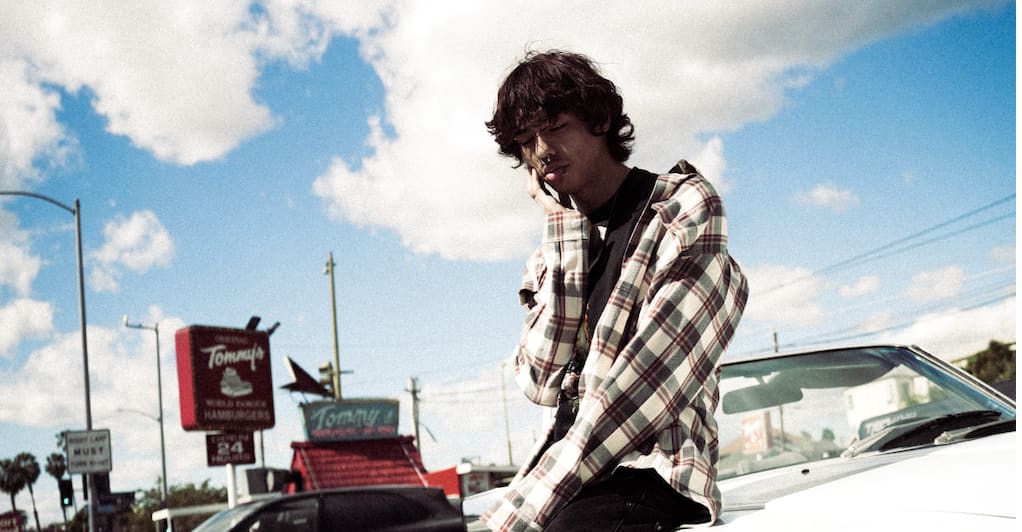
The Rise of a New Indie Vanguard
bunii has only been playing guitar for a little more than a year, but the stripped-back Midwest emo of his major label debut VIRGILIO possesses a level of confidence and songcraft that belies his youth. At just 18, he has emerged as a central figure in SoundCloud’s rapidly expanding “indie scene”—a digital ecosystem that sits at the intersection of the hyper-collaborative, Discord-based structures of underground rap and the raw, boots-on-the-ground ethos of traditional indie rock.
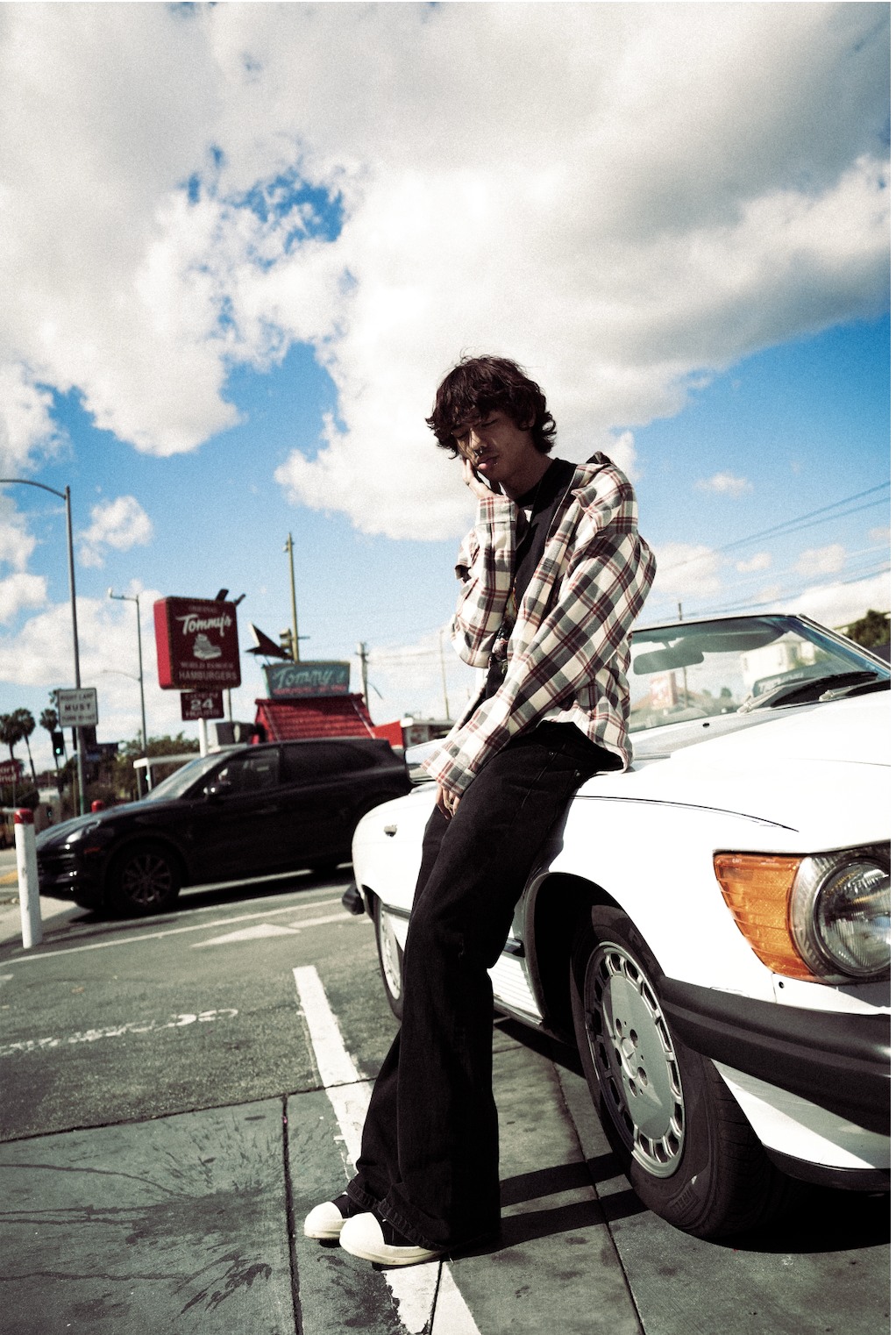
Often self-producing his math-y emo-pop tracks in single sittings, bunii functions as a post-digicore parallel to ‘90s home-tapers like Guided By Voices and Sebadoh. His work is intimate and fragmented, capturing the raw energy of the recording process rather than relying on artificial lo-fi filters. His musical palette is informed by a diverse range of influences, from American Football and Macseal to the Japanese math rock outfit Susquatch.
The Evolution of VIRGILIO
Released via Warner, VIRGILIO marks a departure from the frenetic, distorted energy of his earlier EPs, 8:30 is too early and Bastard. While the new record maintains his signature uncluttered songcraft, it introduces a newfound clarity that highlights the vibrancy of his intricate guitar riffs and processed vocals.
The lyrical scope of the album has also shifted. Where his previous work felt confined to the bedroom, VIRGILIO looks outward, exploring themes of travel, family dynamics, and the existential anxiety of committing to a professional music career. As he notes on the track “My Bad,” there is a sense of discovery in his rapid ascent: “Really, it’s my first time, too.”
Family, Heritage, and the DIY Ethos
The album is deeply personal, serving as a tribute to his grandfather and uncle. This is most evident in his decision to open the record with a cover of “The Great Pretender,” a song that held significant meaning for his family. Throughout the project, bunii assumes the perspectives of his sister and mother, using his music to explain the emotional situations he previously only hinted at.
Despite his major label status, bunii remains committed to his DIY roots. He continues to record in his bedroom, rejecting the sterile environment of professional studios. He views his signing not as a reason to change his process, but as an opportunity to amplify the work he was already doing. “I think I got to where I’m at because I’m independent,” he explains. “I do everything myself, and I wouldn’t want to change that as soon as I signed to a label.”
Building a Community Online
The transition from online obscurity to real-world performance has been a unique journey for bunii. His fanbase, built largely through Discord and social media, was already well-versed in his lyrics by the time he played his first live show in December. This digital-first approach has allowed him to bypass the traditional rock band circuit, fostering a community that thrives on shared digital spaces like the Campfire collective.
Looking ahead, bunii plans to continue expanding his sonic vocabulary, potentially incorporating more of his background in jazz trumpet. For now, he remains focused on authenticity, aiming to break the industry’s obsession with manufactured mystery. By centering his family, his heritage, and his genuine emotional struggles, bunii is proving that you don’t need to hide behind an aura to make an impact—you just need to be yourself.