A High-Fashion Pivot
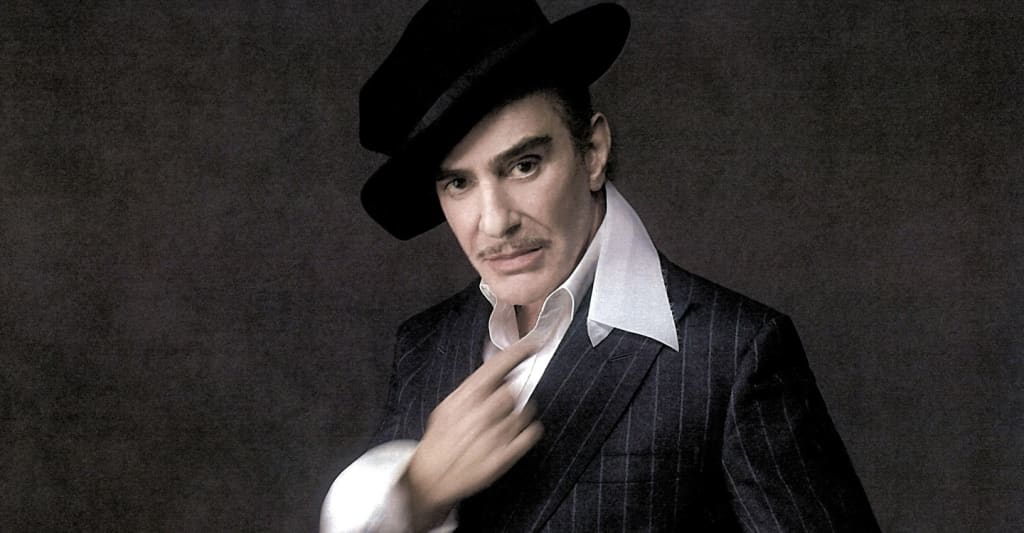
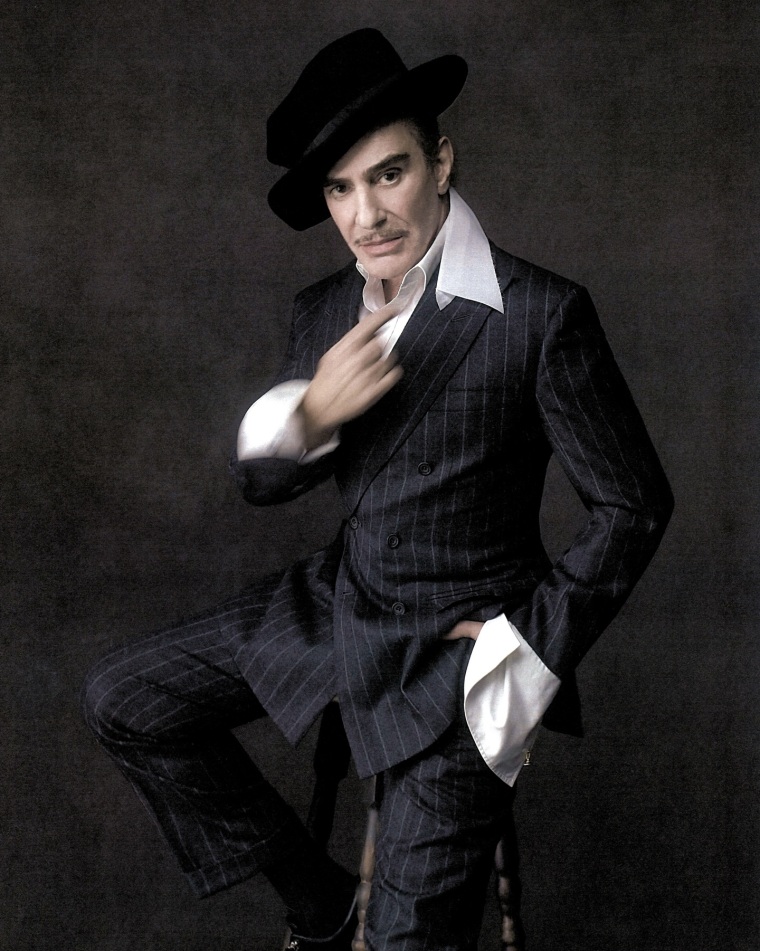
In a move that has sent shockwaves through the fashion industry, Spanish retail giant Zara has announced a two-year creative partnership with legendary couturier John Galliano. The collaboration, which tasks the former Maison Margiela creative director with re-envisioning Zara’s extensive archives, represents a significant shift in the landscape of modern retail. By deconstructing and reconfiguring classic pieces into seasonal collections, Galliano is bringing a level of high-fashion pedigree to the mass market that was previously unimaginable.
For many industry insiders, the announcement was met with skepticism. Galliano’s career, defined by his transformative tenure at Dior and his avant-garde work at Margiela, has long been associated with the pinnacle of luxury craftsmanship. His transition to a fast-fashion entity like Zara highlights a broader, emerging trend: the migration of top-tier creative talent to high-street retailers.
The Industry-Wide Migration
Galliano is not an outlier in this trend. The industry has witnessed a steady stream of high-fashion designers moving into the mass-market sphere. From Clare Waight Keller’s move to Uniqlo to Zac Posen’s appointment at Gap and Jonathan Saunders’ role at & Other Stories, the lines between luxury and accessibility are becoming increasingly porous. This shift is driven by a desire for these brands to elevate their public perception and distance themselves from the negative connotations often associated with ultra-fast fashion competitors like Shein and Temu.
By aligning with established, respected designers, these retailers are effectively rebranding. Zara’s recent efforts, including a high-profile capsule with Willy Chavarria and the strategic dressing of global icons like Bad Bunny, demonstrate a calculated effort to capture a more sophisticated, culturally relevant audience.
The Economics of Creativity
While critics argue that these partnerships dilute the exclusivity of high fashion, the economic reality is undeniable. In an era defined by economic uncertainty and global instability, the mid-market sector is experiencing a resurgence. For designers, these roles offer a level of creative freedom and financial stability that is increasingly difficult to find within the traditional, high-pressure luxury house model.
Galliano himself has expressed enthusiasm for the process, noting that the opportunity to re-author his own work within a new framework is both exciting and creatively sustainable. As the industry continues to evolve, this partnership may well set a new precedent, proving that the future of fashion lies not in the rigid separation of luxury and retail, but in their strategic, collaborative integration.