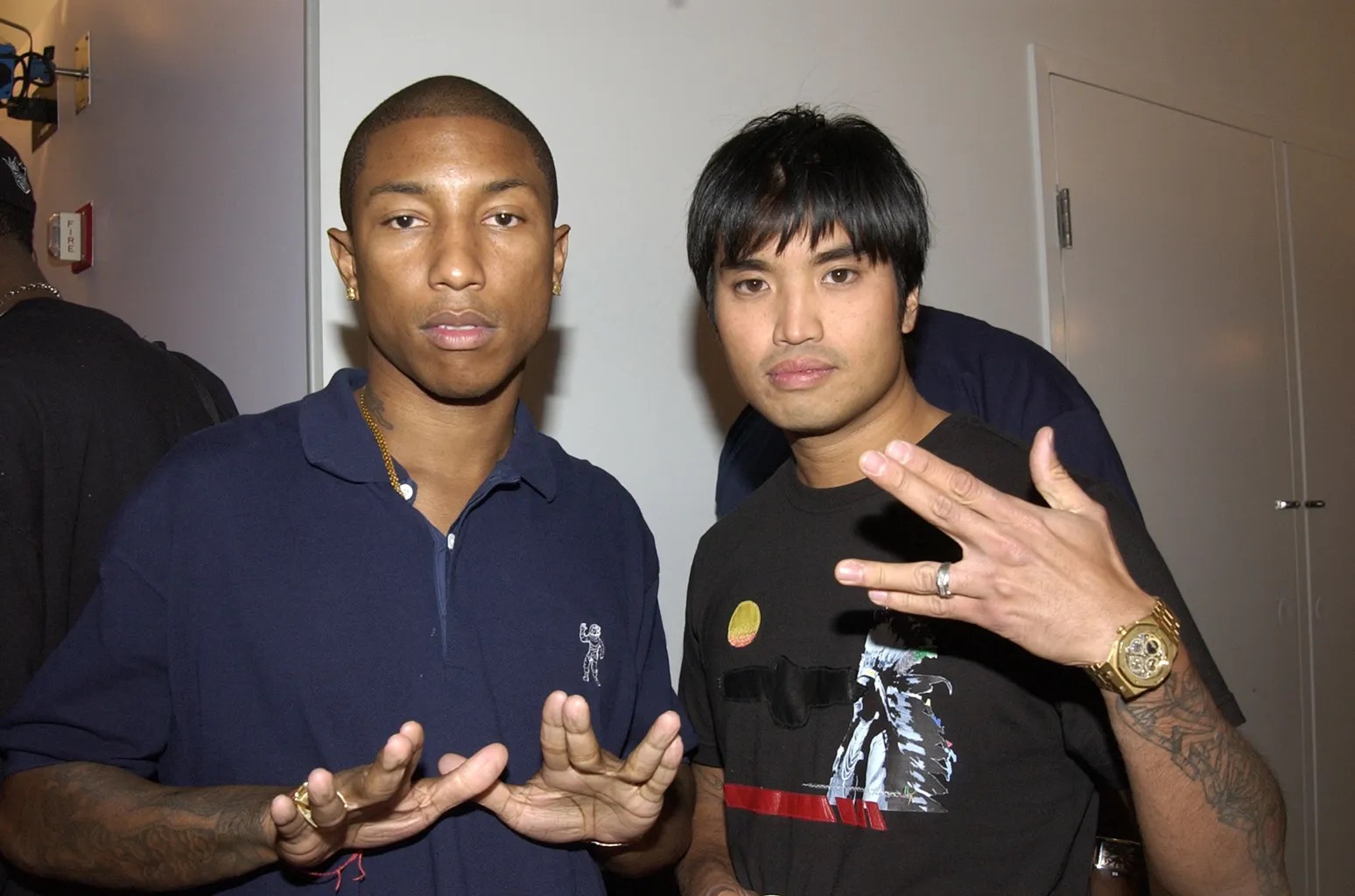
The long-standing professional relationship between The Neptunes’ core members, Pharrell Williams and Chad Hugo, has taken a significant legal turn. Following an initial dispute regarding copyright ownership, Hugo has now filed an updated legal claim against his longtime collaborator, specifically alleging a failure to provide proper songwriting credit and equitable compensation for a series of high-profile tracks.

The Core of the Dispute
At the heart of this litigation is the issue of intellectual property and the division of royalties within the music industry. Hugo, a foundational figure in the production duo that defined the sound of the early 2000s, contends that his contributions to various compositions have been systematically overlooked. This latest filing serves as an escalation of his previous efforts to secure what he believes is his rightful share of the creative and financial rewards generated by their joint ventures.
The legal action highlights the complexities of collaborative production, where the lines between individual contributions and collective output can often become blurred. By moving to formalize these grievances, Hugo is challenging the current administrative handling of their shared catalog, seeking both recognition and retroactive payment for his involvement in the creative process.
Specific Tracks Under Scrutiny
In a move to provide the court with concrete evidence, Hugo’s legal team has identified a specific list of songs that form the basis of his claim. These tracks represent a diverse range of projects, underscoring the breadth of the work that remains in contention. The list provided in the court documents includes:
- “Motomami” by Rosalía
- “La Combi Versace” by Rosalía
- “Cash In Cash Out”
- “Love Is Not Written”
- “Pure”
- “Real One” ft. Latto
- “Lost and Found” ft. Tyler the Creator
- “Freestyle” ft. Tyler the Creator
This itemized list is a critical development in the case, as it shifts the narrative from general allegations of mismanagement to specific instances of disputed authorship. The inclusion of these tracks suggests that Hugo is prepared to engage in a rigorous audit of the publishing and mechanical rights associated with each composition.
Industry Implications
The outcome of this lawsuit could have broader implications for how production credits are managed and litigated in the modern music industry. As producers increasingly navigate complex split sheets and publishing agreements, the precedent set by this case may influence how future collaborations are structured to avoid similar disputes. For now, the industry awaits a formal response from Pharrell Williams’ legal representatives, as the resolution of this matter remains a focal point for observers of the music business.