The Ongoing Legal Battle Over ‘Not Like Us’
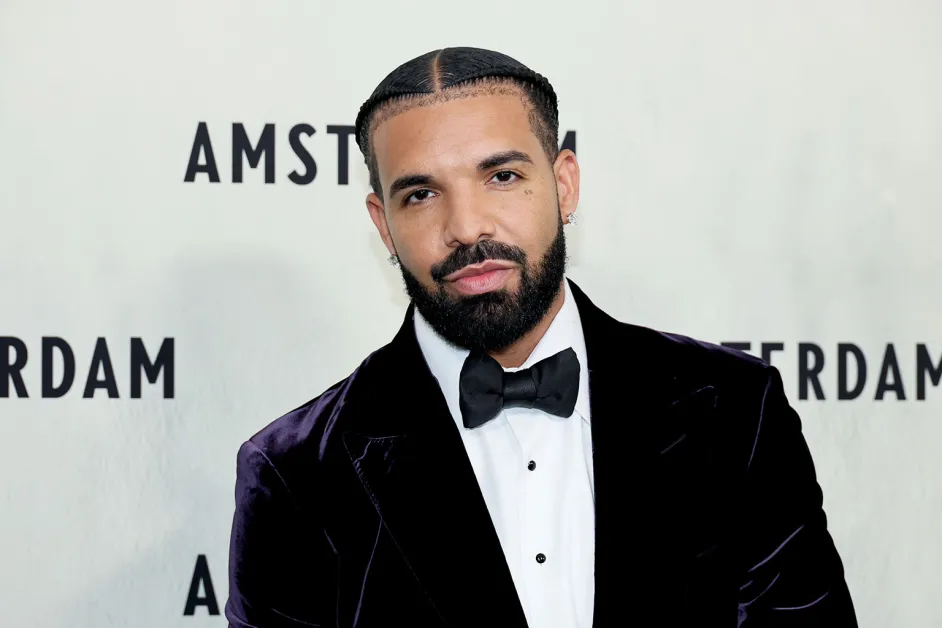
Kendrick Lamar’s track ‘Not Like Us’ has cemented its status as a seminal moment in modern hip-hop history. Beyond the lyrical prowess and cultural impact of the diss record, the song has become the focal point of a complex legal dispute. While the initial defamation lawsuit filed by Drake against Universal Music Group (UMG) was dismissed, the rapper has chosen to pursue an appeal, effectively prolonging the controversy surrounding the track.
This legal maneuvering has prompted a sharp response from UMG, which has moved to defend its position and the integrity of the artistic process. The label’s latest filing suggests that the ongoing litigation is not only meritless but also fundamentally at odds with the nature of creative expression in the music industry.
UMG’s Defense: Hypocrisy and Artistic Context
In its recent submission to the court, Universal Music Group did not hold back in its assessment of Drake’s legal strategy. The label highlighted what it perceives as a significant contradiction in the rapper’s position: utilizing the very same platform he is now attacking to launch his own aggressive lyrical campaigns against his peers.
The filing states, “Although Drake had used UMG’s platform to attack Lamar in equally incendiary terms, he now claims UMG defamed him by releasing the recording, that the track violates N.Y. Penal Law, and that UMG’s promotion of it violated N.Y. General Business Law (GBL).”
Defending Creative Expression
Central to UMG’s argument is the protection of artistic license. The label contends that attempting to litigate the contents of a diss track sets a dangerous precedent for the genre. By seeking to interpret lyrics as literal, actionable defamation, the label argues that Drake is ignoring the established conventions of hip-hop, which rely heavily on hyperbole, metaphor, and competitive posturing.
“[Drake] seeks to strip words from their context and deem them actionable defamation if anyone, anywhere, might treat them as factual,” the filing continues. “That is not the law, and Drake’s view would critically undermine a highly creative art form built on exaggeration, insult, and wordplay. Drake’s Penal Law and GBL arguments fare no better. This Court should affirm the dismissal.”
The Future of the Dispute
As the legal proceedings continue, the industry remains focused on the potential implications for future artist-label relationships and the boundaries of lyrical content. For now, UMG remains firm in its stance that the court should uphold the original dismissal, maintaining that the track falls squarely within the bounds of protected creative expression. Whether this appeal will lead to a definitive resolution or further complicate the narrative remains to be seen.