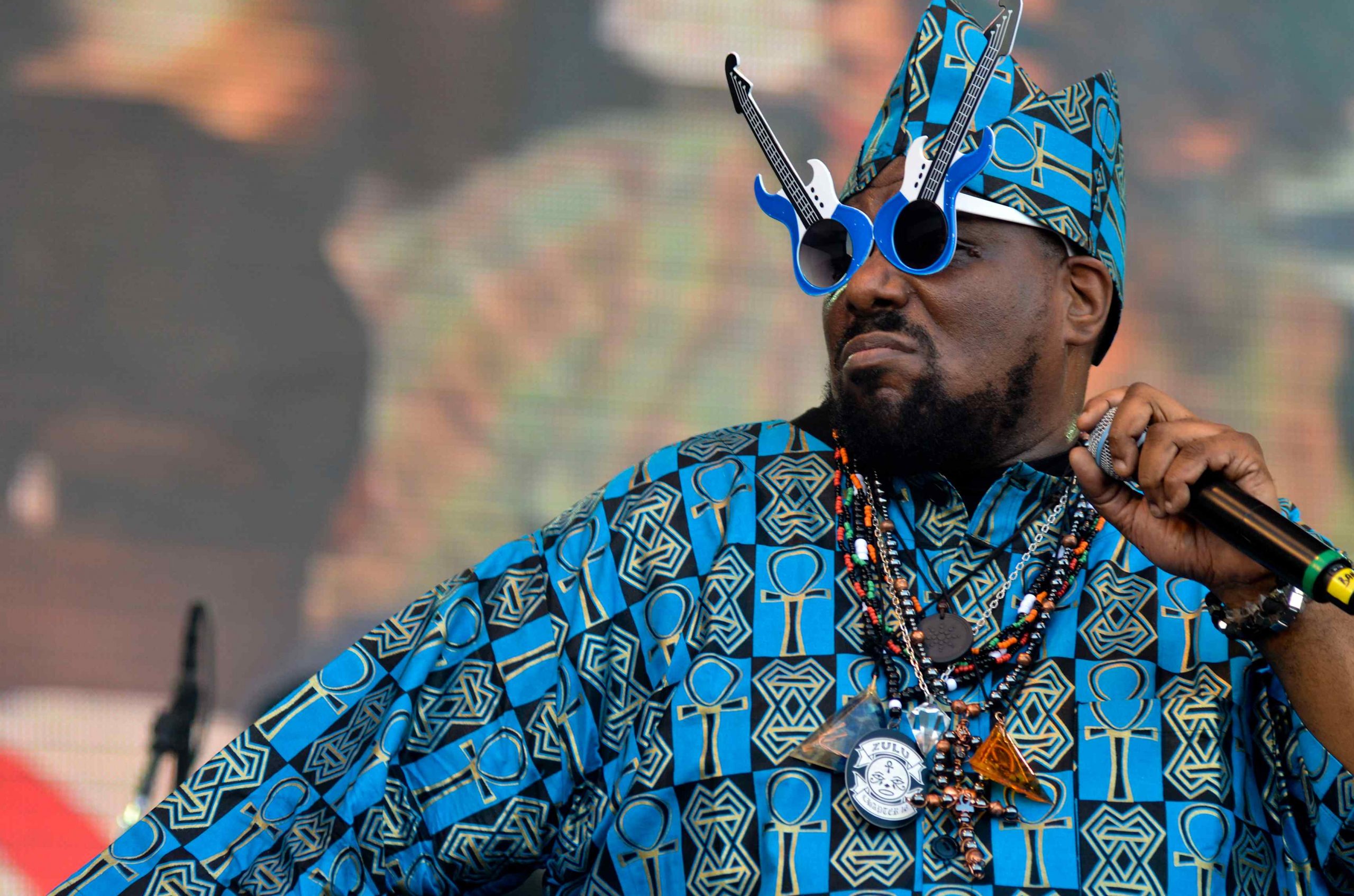
The music world is mourning the loss of a true cultural architect. Afrika Bambaataa, widely revered as the “Godfather of Hip-Hop,” has passed away at the age of 67. His death follows a private battle with cancer, marking the end of a complex and profoundly influential life that helped shape the trajectory of modern music.
A Legacy of Peace and Innovation
Bambaataa’s contributions to the arts are immeasurable. As the founder of the Universal Zulu Nation, he was instrumental in transforming the energy of the streets into a global movement rooted in the pillars of peace, unity, love, and having fun. His transition from his early years as a member of the Black Spades gang to a community leader who championed peaceful coexistence remains one of the most significant narratives in the history of urban culture.
By channeling the raw energy of the Bronx into a structured, creative outlet, Bambaataa provided a blueprint for hip-hop that transcended mere entertainment. His vision helped foster a sense of camaraderie and purpose for countless youth, establishing a foundation that allowed the genre to flourish on a global scale.
A Complicated History
While his artistic legacy is cemented in the annals of music history, Bambaataa’s later years were marked by significant controversy. In 2016, he stepped down from his leadership role within the Zulu Nation following serious allegations of sexual abuse. Although Bambaataa publicly denied these claims, characterizing them as attempts to undermine his life’s work, he ultimately lost a civil case regarding trafficking and child abuse after failing to appear in court.
As the industry reflects on his passing, it faces the difficult task of reconciling his monumental role in the birth of a global culture with the serious allegations that clouded his final decade. Regardless of these complexities, his impact on the sound and spirit of hip-hop remains an undeniable part of the genre’s history.