A Disputed Release
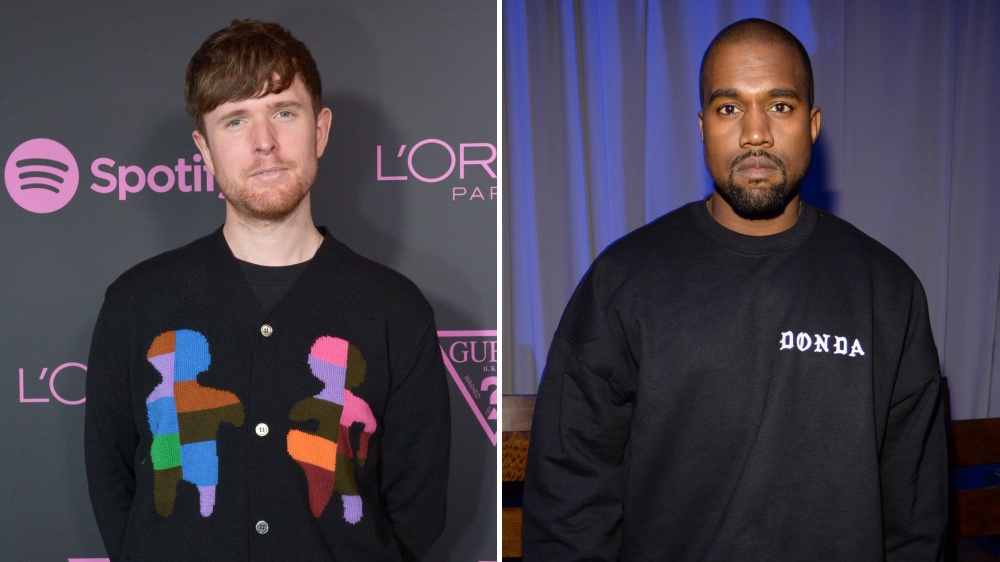
The highly anticipated album Bully from Ye, formerly known as Kanye West, has finally reached listeners after a tumultuous development cycle marked by numerous delays and experimental iterations. While the project is now available for public consumption, the release has not been without its complications. One of the most notable contributors to the project, acclaimed producer and singer-songwriter James Blake, has publicly distanced himself from a specific track on the album.
The song in question, titled “This One Here,” has become a point of contention between the two artists. Blake took to social media to clarify his position, explicitly requesting that his name be removed from the production credits associated with the track. His reasoning centers on the integrity of the creative process and the final output presented to the public.
Creative Integrity and Artistic Vision
In his statement, James Blake emphasized that the version of “This One Here” currently available on streaming platforms does not reflect the collaborative work he originally produced with Ye. By requesting the removal of his credit, Blake is taking a firm stance against being associated with a final product that deviates significantly from his original artistic contributions.
“I’ve asked to be taken off the producer credits for now as I don’t want to take credit for other people’s work and this version isn’t what I created with Ye. It’s not personal!” Blake stated. This move highlights the often complex nature of music production, where tracks can undergo drastic changes during the mixing and mastering phases, sometimes resulting in a final version that the original producer no longer recognizes as their own.
James Blake says Ye released a version of “This One Here” that no longer reflects the song he originally worked on with him:
“I’ve asked to be taken off the producer credits for now as I don’t want to take credit for other people’s work and this version isn’t what I created with… pic.twitter.com/NV1vIJZA4O
— Kurrco (@Kurrco) March 28, 2026
The Implications for Collaborative Projects
This incident serves as a reminder of the importance of creative control and communication in high-profile collaborations. When an artist of James Blake’s caliber speaks out about production credits, it underscores the value placed on artistic authenticity. While the disagreement appears to be amicable, it raises questions about how artists navigate the final stages of album production when their vision for a track is altered without their direct involvement.
As fans continue to digest the release of Bully, the situation surrounding “This One Here” remains a notable footnote in the album’s rollout. It remains to be seen whether the credits will be officially updated or if this will remain a point of contention between the two camps.