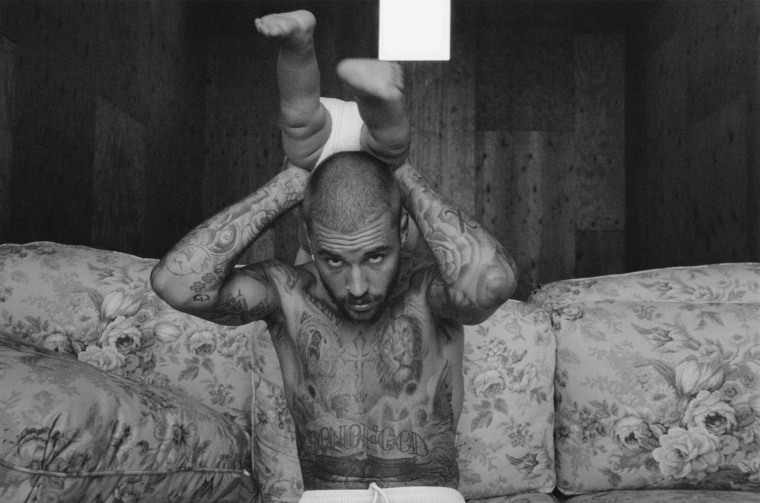
Coughs for The FADER
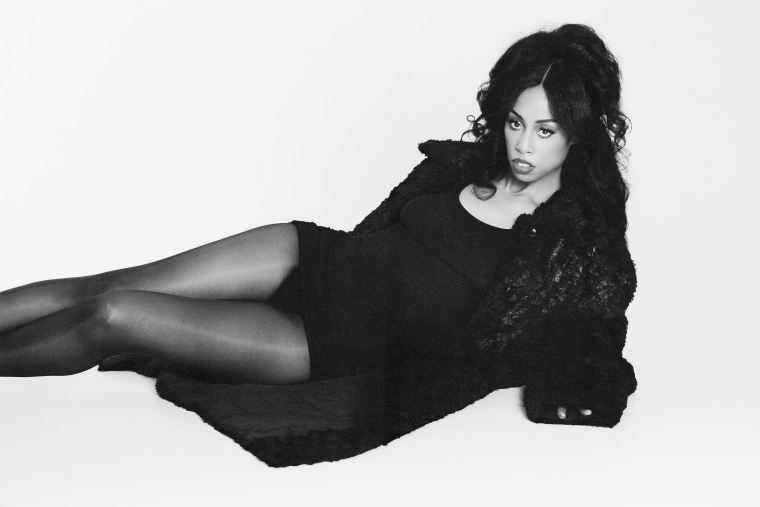
Rochelle Jordan is The FADER’s latest cover star. The 39-year-old alt-R&B singer turned dancefloor diva opened up about her childhood in the suburbs of Toronto, locking in with right-hand producer KLSH, and the growth in her career leading up to Through The Wall, The FADER’s second-favorite album of 2025.
Rochelle Jordan nearly died as a child.
At the age of two, Jordan was diagnosed with sickle cell anemia. “I almost died at that age. I had a lot of close calls growing up,” she recalls, saying she was falling behind in school. “I could see that I wasn’t living quite the normal childhood, but I was a very creative child.”
Her older brother shaped her early music taste.
Jordan describes her autistic brother Junior as “obsessed” with music. She remembers, “growing up with music that’s out of this world – like, the deepest cuts,” that he would play on maximum volume, forcing the family to listen to gospel, house, drum’n’bass, and jungle, quite literally through the wall.
“I’m such a melting pot because of all these different experiences, these different sounds, foods, and cultures.”
Rochelle Jordan met her executive producer KLSH in the DMs.
One day, Jordan received 10 DMs from Virginia Beach producer KLSH. She listened to a beat on his page titled “The Neptunes” and was immediately sold. Of working together, KLSH tells The FADER, “Rochelle is always a person who’s open to new ideas.”
Beyoncé’s Renaissance helped execs understand her music
Jordan’s music didn’t always land with label executives trying to put her in a profitable box. Evan Nicole Brown writes that Jordan recounted, “countless instances of hearing ‘no’ and being made to feel like she didn’t have an audience, which she credits with her vision being misunderstood by executives, but also with the broader culture’s reluctance to celebrate a Black woman in house and dance music before albums like Beyoncé’s Renaissance helped awaken the public to the possibility.”
She wants her fans to stop gatekeeping her music.
Jordan says she half-understands her fans, but “gatekeeping is like poison for an artist.”
“I think a lot of my fans feel like once the world knows me that my magic will be lost,” she says. “[But] I’m not a fairy, you know what I mean? I’m a real human being. It might feel magical to you, but this is my real life.”
Rochelle Jordan used to pray for times like this. Literally.
Rochelle Jordan says she used to feel alienated in school, singled out by her peers for being too tall.
“I was a very different girl, but I had a purpose,” Jordan explains. “I used to write in my agenda every single day: ‘God, please make me pretty. Please make me pretty. Make me a singer. Please make me a singer.'”